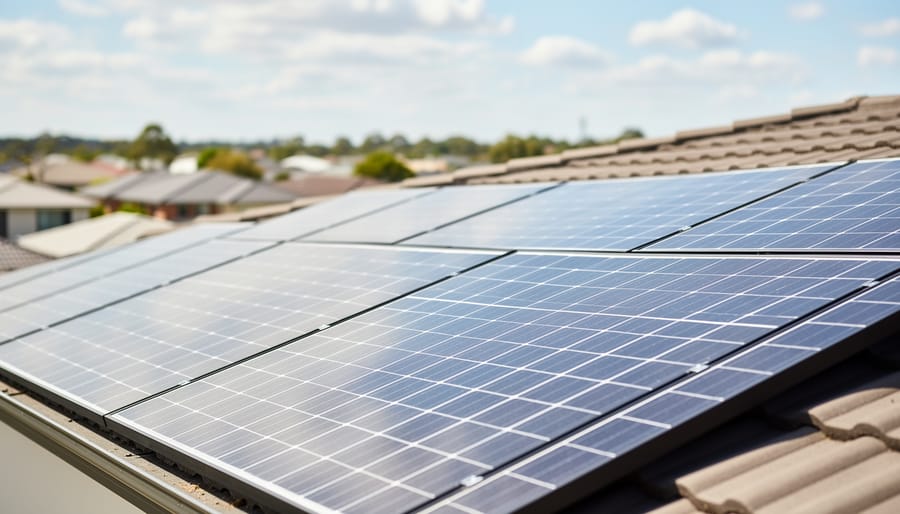
Solar energy is power generated from sunlight, captured through photovoltaic cells or heat-absorbing technology and converted into electricity or thermal energy we can use in our homes, businesses, and devices. It’s the most abundant energy source on Earth, delivering more energy to our planet in a single hour than humanity consumes in an entire year.
Understanding how solar energy works matters now more than ever. Global solar capacity has skyrocketed over the past decade, making renewable power not just an environmental choice but an increasingly practical one for everyday people. Whether you’re curious about cutting your electricity bills, reducing your carbon footprint, or simply want to grasp the technology behind those blue panels sprouting on rooftops everywhere, the basics are simpler than you might think.
I’ve spent years testing solar panels in real-world conditions, from compact portable units on mountain trails to residential installations tracking performance through brutal winters and scorching summers. What I’ve learned is that solar technology isn’t mysterious or reserved for engineers. The core principles are straightforward: sunlight hits specially designed materials, electrons get excited and start moving, and that movement becomes electrical current you can measure, store, and use.
This guide breaks down exactly how solar energy transforms from abstract physics into the power running your phone charger or entire household. You’ll learn the difference between the main types of solar systems, discover where solar energy makes the biggest impact today, and walk away with the foundational knowledge to make informed decisions about incorporating solar into your own life.
What Solar Energy Really Means
Solar energy is sunlight transformed into power we can use. Every ray of sunshine carries energy, photons traveling from the sun to Earth in about eight minutes, and when we capture those photons with the right technology, we can turn them into electricity or heat for our homes, devices, and lives. It’s that straightforward: the sun shines, we harvest it, and we get usable energy without burning anything or depleting resources.
What makes solar energy fundamentally different from traditional power sources is where it comes from and how we get it. Fossil fuels, coal, oil, natural gas, are ancient stored sunlight, locked underground millions of years ago, that we dig up and burn. Solar energy skips the middle step. We’re capturing sunlight directly as it arrives, in real time, without extraction, combustion, or the pollution that comes with it.
Think about a calculator that never needs batteries, or a garden light that glows at night powered by the day’s sunshine. That’s solar energy at work on a small scale. Scale it up, and the same principle powers homes, schools, and entire communities. The sun delivers more energy to Earth in one hour than humanity uses in a year. We’re just getting better at catching it.
When I test solar panels and portable chargers in the field, I’m always struck by how immediate it feels, set up the panel, sunlight hits, and within seconds you’re generating power. No fuel tank to fill, no generator to maintain. The sun does the work. That directness, that simplicity in concept, is what solar energy really means: harnessing the most abundant energy source in our solar system, right where we stand.
How Solar Energy Works: From Sunlight to Power
The Role of Solar Cells and Panels
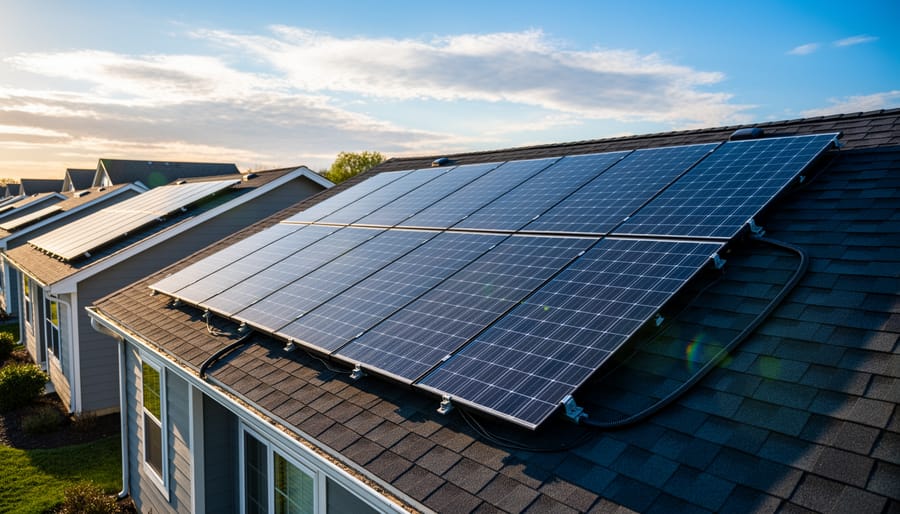
Solar cells are the fundamental building blocks, tiny squares of silicon that do the actual work of turning light into electricity. Think of them as miniature power generators, each about the size of your palm. When sunlight hits a solar cell, it contains packets of energy called photons. These photons create electricity by knocking electrons loose from silicon atoms, creating an electrical current you can capture and use.
Here’s where it gets interesting at the molecular level. Silicon atoms in the cell are specially treated, one layer gets doped with phosphorus (creating extra electrons), while another layer gets doped with boron (creating spaces where electrons want to go). This creates an internal electric field right at the junction between layers. When photons free up electrons, this field pushes them in one direction, generating a flow of current. It’s elegant chemistry meeting physics.
Individual cells produce only small amounts of power, typically half a volt each, so manufacturers wire dozens or even hundreds together into what we call a solar panel. I’ve tested panels ranging from pocket-sized 5-watt units for camping gear up to rooftop monsters cranking out 400 watts. They’re all using the same basic cell technology, just scaled up. The cells get encased in protective glass and aluminum frames, creating the familiar blue-black rectangles you see on rooftops. Each panel becomes a self-contained power station, ready to connect into larger systems.
From DC to AC: Making Solar Power Usable
Solar panels produce direct current (DC) electricity, but your home appliances and the electrical grid run on alternating current (AC). That’s where inverters come in, these essential devices handle the DC to AC conversion that makes solar power usable in your daily life.
The inverter takes the steady, one-directional flow of DC electricity from your panels and transforms it into AC electricity that oscillates back and forth, matching the voltage and frequency your appliances expect. Without this conversion, you couldn’t plug anything into your solar system.
Modern inverters do more than just convert current. They optimize power output as sunlight conditions change throughout the day, monitor system performance, and ensure safe grid connection by automatically shutting down during power outages. Think of them as the brain of your solar setup, managing power flow, preventing overloads, and even communicating with your smartphone to report how much energy you’re generating.
In testing various portable solar kits, I’ve seen firsthand how inverter quality affects real-world performance. Cheaper inverters introduce efficiency losses of ten percent or more, meaning your panels work harder but deliver less usable power. Quality matters here, because this single component determines how much of your captured sunlight actually runs your devices.
Types of Solar Energy Systems
Photovoltaic (PV) Systems
Photovoltaic systems are what most people picture when they think of solar energy, those sleek panels converting sunlight directly into electricity. The technology spans everything from the panels bolted to your neighbor’s roof to the foldable charger in your camping pack.
Rooftop installations remain the most common residential application. Modern solar panels typically produce 300 to 400 watts each, with full home systems ranging from 15 to 30 panels depending on energy needs. During my testing of various panel configurations, I’ve consistently seen well-positioned rooftop arrays generating 20 to 30 kilowatt-hours per day in sunny conditions, enough to power most households.
Portable PV systems have exploded in popularity among outdoor enthusiasts and emergency preparedness communities. These range from briefcase-sized 100-watt panels for weekend camping to robust 200-watt setups that can charge power stations and run small appliances. I’ve field-tested dozens of these units on hiking trips, and the convenience of generating power miles from any outlet never gets old.
Even smaller solar gadgets, phone chargers, garden lights, backup batteries, rely on photovoltaic cells. They prove solar technology scales beautifully from watts to kilowatts, making clean energy accessible whether you’re powering a home or charging a phone on the trail.
Solar Thermal Systems
Unlike photovoltaic panels that generate electricity, solar thermal absorbs heat directly from sunlight and uses it for practical heating applications. It’s a simpler, often more efficient approach when all you need is hot water or warm spaces, no inverters or batteries required.
Solar water heaters are the most common thermal systems. Mounted on rooftops, they circulate water through dark collector tubes that soak up solar heat, then store the hot water in an insulated tank. I’ve tested setups in both sunny and overcast conditions; even moderate sun can preheat water enough to cut gas or electric bills noticeably.
Pool heaters work the same way but at a larger scale. Pump your pool water through roof-mounted collectors, and the sun does the work. It extends your swimming season without cranking up a conventional heater.
Space heating systems use solar thermal collectors to warm air or water that then circulates through radiators or radiant floors. They’re less common in residential settings but shine in climates with strong winter sun and high heating costs.
The beauty of thermal? It skips the electricity conversion step entirely, making it highly efficient for heat-focused tasks.
Passive Solar Design
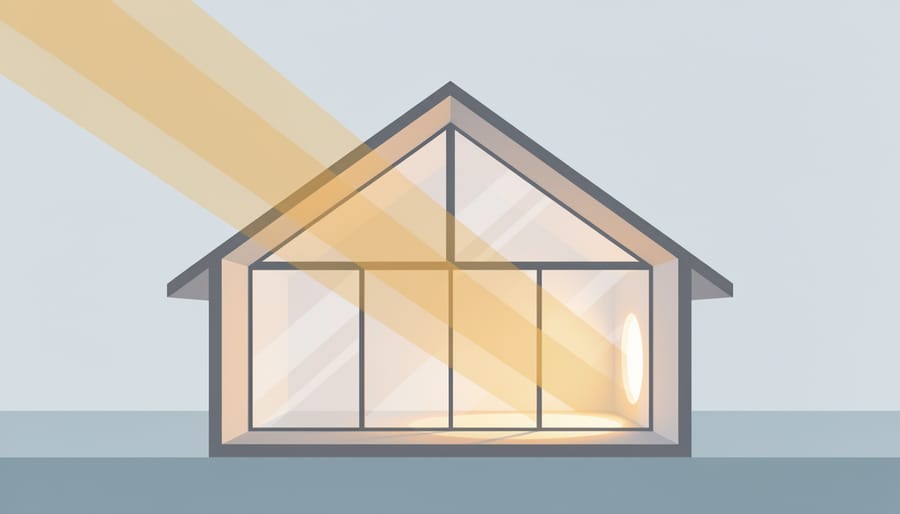
Passive solar design harnesses sunlight through thoughtful architecture rather than panels or machinery. It’s solar energy at its most elegant, no moving parts, no wiring, just smart building choices that work with the sun’s natural patterns.
The core strategy involves positioning windows to capture winter sunlight while blocking harsh summer rays. South-facing windows in northern climates flood rooms with warming light during cold months when the sun sits lower on the horizon. Overhangs and awnings provide shade when the sun climbs higher in summer.
Thermal mass amplifies this effect. Materials like concrete floors, brick walls, or stone fireplaces absorb heat during the day and release it slowly as temperatures drop. I’ve walked through homes where a sunny afternoon keeps rooms comfortable well into the evening without touching the thermostat.
Strategic placement matters too, living spaces on the sunny side, bedrooms on the cooler north, and thoughtful landscaping can further regulate temperature. Deciduous trees shade in summer but allow winter sun through their bare branches.
While passive solar won’t generate electricity, it dramatically reduces heating and cooling needs, cutting energy bills with zero operational cost.
Where Solar Energy Gets Used Today
Solar energy has moved far beyond experimental labs and niche applications, it powers homes, runs businesses, charges gadgets, and keeps the lights on at campsites across the country. The versatility is what makes it so compelling: the same fundamental technology that runs a rooftop array in suburban Phoenix can charge your phone on a backcountry trail or keep an RV fridge cold in Death Valley.
Residential installations remain the most visible application. Homeowners install rooftop panels to offset electricity bills, gain energy independence, and lock in predictable power costs for decades. We’ve tested portable systems that supplement household power during outages, and seen how battery-coupled setups let families run essentials when the grid goes down. The appeal isn’t just financial, it’s about control and resilience.
Commercial and industrial facilities use solar at scale. Warehouses cover massive roofs with panels to cut operating costs. Retail stores install carport arrays that generate power while shading customer vehicles. Farms run irrigation pumps and refrigeration units on solar, reducing overhead and staying operational during rural grid instability.
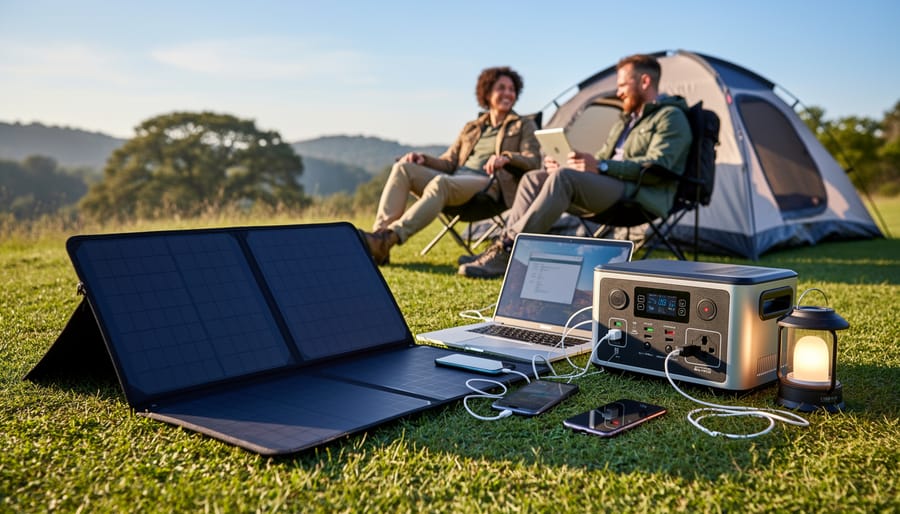
Where solar energy really shines for enthusiasts is in portable and recreational applications:
- Camping panels that fold into backpacks and charge devices on multi-day hikes
- Solar generators replacing noisy gas units at tailgates, worksites, and off-grid cabins
- RV roof systems providing continuous power for lights, fans, and appliances without hookups
- Portable battery banks with integrated panels for emergencies and travel
- Solar-powered gadgets, lanterns, speakers, phone chargers, that eliminate disposable batteries
- Marine installations on sailboats and fishing vessels for communication and navigation equipment
- Outdoor security cameras and lighting systems in remote locations
Personal testing reveals how practical these options have become. A 100-watt foldable panel kept our devices charged through a week-long canyon trip, and a solar generator handled a weekend power outage without breaking a sweat. The technology works when you need it, assuming you understand its limits and match capacity to demand.
Even small-scale applications add up. Garden lights, pool heaters, and ventilation fans all tap solar without complicated installations. The barrier to entry has dropped low enough that experimenting costs less than skepticism.
The Environmental and Economic Benefits
Switching to solar energy delivers real benefits that extend far beyond the panels themselves, both for your wallet and the planet. Understanding these advantages helps explain why millions of homeowners and businesses are making the transition.
From an environmental standpoint, solar energy dramatically reduces your carbon footprint. Unlike fossil fuel power plants that emit greenhouse gases and pollutants, solar panels generate clean electricity with zero emissions during operation. A typical residential solar system offsets roughly 100 tons of CO2 over its 25-year lifespan, equivalent to planting around 2,500 trees. You’re directly reducing air pollution, conserving water (no cooling water needed like coal or nuclear plants require), and lessening the demand for finite natural resources.
Economically, solar makes increasing sense as technology costs have dropped more than 70% over the past decade. After the initial investment, you’re generating free electricity for decades. Most homeowners see their systems pay for themselves within 7 to 12 years through utility bill savings, after which it’s nearly pure profit. Federal tax credits and state incentives further accelerate payback. In areas with net metering, you can even sell excess power back to the grid, turning your roof into a revenue generator.
Energy independence matters, too. You’re less vulnerable to utility rate hikes and power outages (especially with battery backup). During grid failures or peak-demand price spikes, your solar system keeps running.
That said, solar isn’t a magic fix. Upfront costs remain substantial, cloudy climates reduce efficiency, and panels eventually need replacement. Manufacturing does require energy and materials. But the math increasingly favors solar, financially and environmentally, for anyone with decent sun exposure and long-term thinking.
Common Questions About Solar Energy
How efficient are solar panels at converting sunlight?
Most residential panels convert 15-22% of sunlight into electricity. That might sound low, but it’s more than enough, a typical home system produces plenty of power because panels cover a large surface area and sunlight is abundant.
Do solar panels work on cloudy days?
Yes, though at reduced capacity. Panels still generate power in overcast conditions, typically 10-25% of their rated output depending on cloud density. I’ve tested portable panels on gray days and consistently gotten usable charge, just slower than in direct sun.
What’s the upfront cost, and is it worth it?
Residential systems range from $15,000 to $30,000 before incentives, but federal tax credits and local rebates often cut that by 30-50%. Most homeowners break even in 6-12 years, then enjoy decades of essentially free electricity.
How long do solar panels last?
Quality panels carry 25-year warranties and typically produce 80-85% of their original output after that period. Real-world systems often keep generating power for 30-40 years with minimal performance loss, they’re built to outlast most roofs.
What kind of maintenance do they need?
Very little. Rain naturally cleans panels in most climates, though occasional rinsing helps in dusty areas. No moving parts means nothing breaks down regularly, and inverters might need replacement once after 10-15 years.
These questions reflect what I hear constantly from readers and what I wondered myself before diving into solar testing. The efficiency number surprises people because it sounds modest, but context matters, your roof gets hit with an enormous amount of energy every sunny day, and capturing even a fifth of it powers a home. During field tests with various panel types, I’ve learned that weather matters less than most assume. Overcast mornings still charge my gear, just more slowly, and systems in Seattle produce solid annual output despite the cloudy reputation.
Cost conversations deserve honesty. The initial investment feels steep, but financing options, shrinking equipment prices, and improving efficiency have made solar genuinely accessible for average homeowners. I’ve watched the math shift dramatically over the past few years. Durability impresses me most, panels are engineered for punishment, from hailstorms to temperature swings, and they just keep working. The low-maintenance reality means you install once and forget about it, aside from checking your monitoring app to watch the savings add up.
Solar energy isn’t some distant future technology, it’s here now, powering homes, gadgets, and adventures every day. Whether you’re curious about cutting your electric bill, reducing your environmental footprint, or just keeping your devices charged during a camping trip, there’s a solar solution that fits your life.
The beauty of solar is that you don’t need to overhaul everything at once. Start small with a portable panel for your phone, test a solar charger on your next hike, or research what a rooftop system might save you over ten years. Every bit of sunlight you capture is energy you’re not pulling from the grid.
At SolariFlex, we test these products in real conditions because we believe solar works best when you understand what you’re getting. The technology has matured, costs have dropped, and options have exploded. You’ve got choices now that simply didn’t exist a decade ago.
So explore. Ask questions. Compare systems. The sun’s been shining for billions of years, and it’s not stopping anytime soon. Why not put that energy to work for you?
