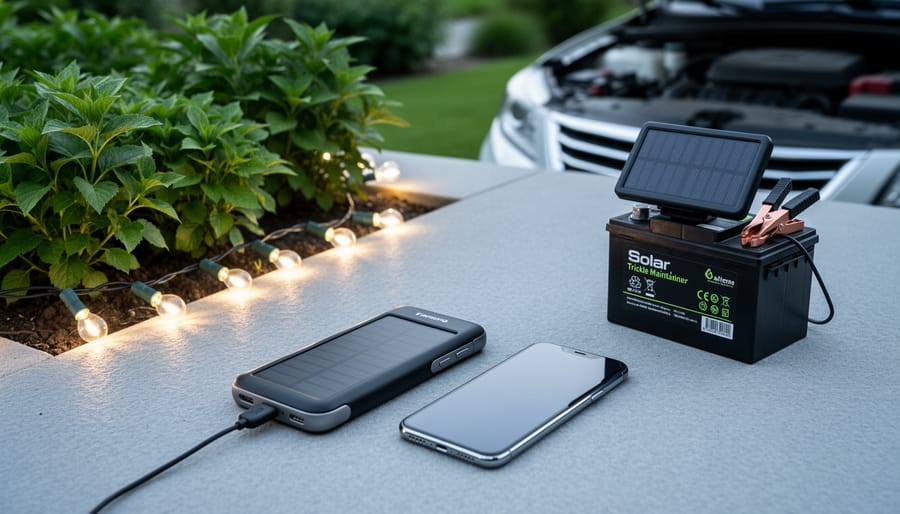
The best solar powered gadget is the one that matches how you’ll actually use it. For charging a phone on a trail, a solar power bank is the practical pick. For lighting a patio or garden, string and path lights do the job with zero wiring. For keeping a car or boat battery topped up, a trickle maintainer kit is the right tool. Pick by task first, and the product choice gets easy.
In the interest of transparency, we earn a commission on some purchases made through links on this site. As an Amazon Associate I earn from qualifying purchases.
Every one of these gadgets works the same way at heart. A small panel turns sunlight into electricity, and a battery stores it for when you need it. If you want the basics, here’s a quick primer on how solar energy works. The details that matter when you shop are battery capacity (measured in mAh, or milliamp-hours, which is simply how much charge the battery can hold), charging speed, and weather resistance.
Here’s a reality check from my own testing: a solar panel on a power bank trickles in power slowly, so treat it as backup, not your main charging method. Top it off from a wall outlet, and let the sun handle emergencies and extra top-ups.
This guide walks through the key buying factors, compares the gadget types, and reviews eight products, including the BLAVOR Solar Power Bank 10,000mAh Portable Wireless Charger and the Solar Charger Power Bank 49800mAh. Going solar for small tasks is a simple, low-effort way to cut a bit of grid use, one charge at a time.
Key Buying Factors for Solar Gadgets and Tools
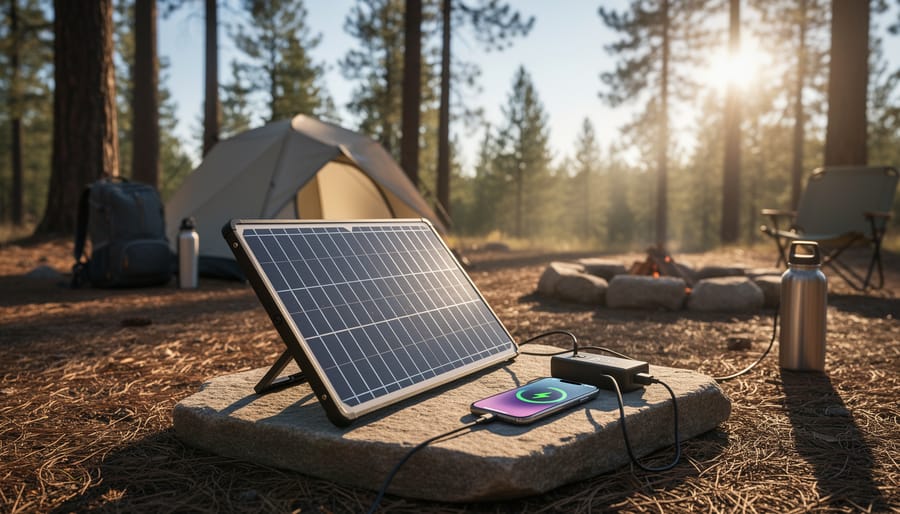
Decoding the Specs: mAh, Watts and Waterproof Ratings
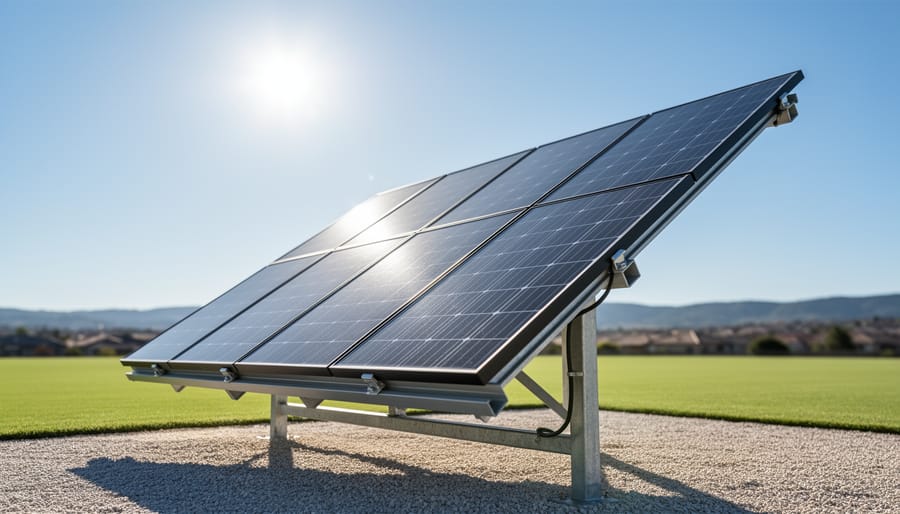
Product listings pack a lot of numbers into one line, and they’re easier to read than they look. Here’s the plain-English version.
- Battery capacity (mAh): milliamp-hours measure how much energy the battery stores, so a 10,000mAh bank gives a phone roughly two full charges in practice, not three, because some energy is lost as heat.
- Panel wattage (W): the maximum a panel produces in perfect direct sun, which is a best case rather than a daily average.
- Ports and fast charging: a 20W USB-C port or PD 25W (Power Delivery, a fast-charging standard) refills a compatible phone faster than a basic USB-A port.
- Waterproof rating: IPX5 handles splashes and rain, while IP68 means dust-tight and protected against submersion.
- Portability: more capacity means more weight, so match size to how far you’ll carry it.
- Sun exposure: the best panel in the world does little in shade, so think about where it will actually sit.
Now the catch: a bigger number isn’t automatically a better fit. A 49,800mAh bank holds a huge reserve, but it’s heavier, and the small built-in panel would take days of sun to refill it. If you only need an emergency top-up in a daypack, 10,000mAh is plenty. Likewise, a 45W foldable panel sounds impressive, but it only pays off if you’ll unfold it in real sunlight.
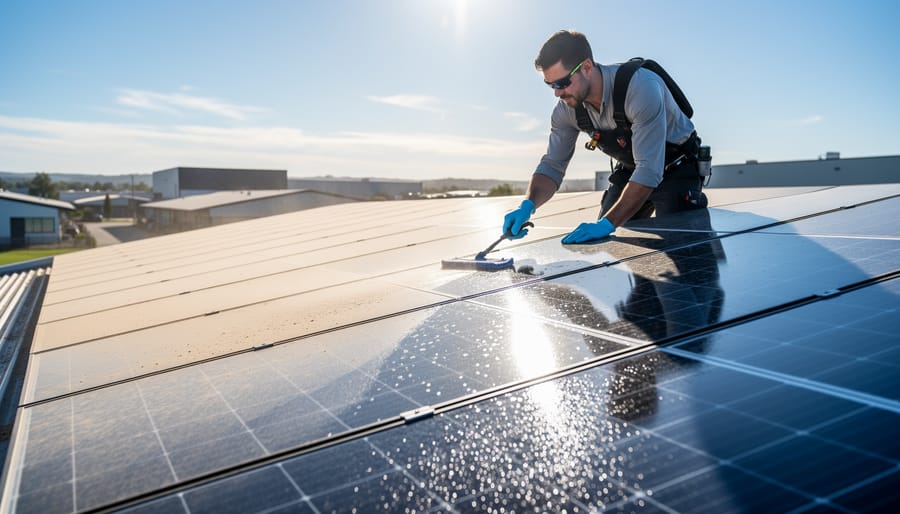
Keep in mind that wattage on the box assumes ideal conditions. Dust, smudges and shade all cut into output, so it’s worth learning how to clean solar panels properly and keep them free of grime. Read the numbers as a ceiling, then choose the gadget whose realistic performance fits your day.
Solar Power Banks, Panel Chargers, Lights and Cameras: The Types Compared
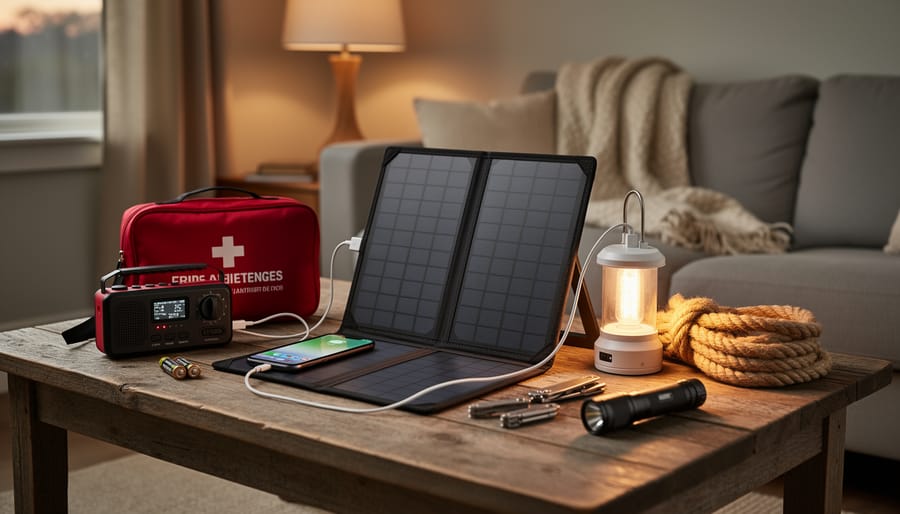
Not every solar gadget does the same job, so it helps to see the main types side by side before you pick one. Here is how they compare.
| Gadget type | Best for | Key strength | Key consideration | Typical setting |
|---|---|---|---|---|
| Solar power bank | Emergency phone top-ups | Stored battery charges devices anytime | Built-in panel refills very slowly | Pocket, backpack, camping |
| Foldable solar panel charger | Charging directly from the sun | Larger panel, higher wattage | Needs steady, direct sunlight | Camping, travel |
| Solar lighting | Evening light without wiring | Set it and forget it | Panel must sit in unshaded sun | Garden, patio, campsite |
| Solar security camera | Wire-free home monitoring | Flexible mounting, no cabling | Needs good sun and WiFi at the spot | Home exterior |
| Solar battery maintainer | Keeping parked batteries topped up | Offsets slow self-discharge | Maintains, doesn’t rapidly recharge | Vehicle, boat, RV |
Solar power banks are the most popular pick, and for good reason. The BLAVOR 10,000mAh model pairs 20W USB-C with IPX5 waterproofing, and the Luvknit goes up to 49,800mAh with two USB-A ports plus USB-C. But be honest about that little built-in panel. It trickle-charges, which means it adds power very slowly. Think of it as an emergency top-up, while the battery you charged beforehand does the heavy lifting.
Foldable panel chargers flip that balance. The BigBlue 28W (dual USB-C and USB-A) and the GEYOTO 45W (PD 25W USB-C/USB-A, IP68 waterproofing) use larger panels to collect real power. In my experience, though, a panel’s rated wattage is a best case in direct sun, so expect less on hazy days or at a poor angle. They’re also bulkier than a power bank, which matters if you’re counting grams.
Solar lighting, from lanterns to string lights to path lights, is the easiest win. There’s no wiring and no disposable batteries, just sunlight by day and light by night. If you want to go beyond basic path lights, solar outdoor up lighting can make trees and walls stand out beautifully. The catch is placement: shade from trees or eaves quickly shortens run time.
Solar security cameras and battery maintainers are more specialized. Cameras trade cables for sun exposure, and maintainers keep a parked car, boat or RV battery healthy rather than charging it fast. Match the type to the job, and the rest of the specs fall into place.
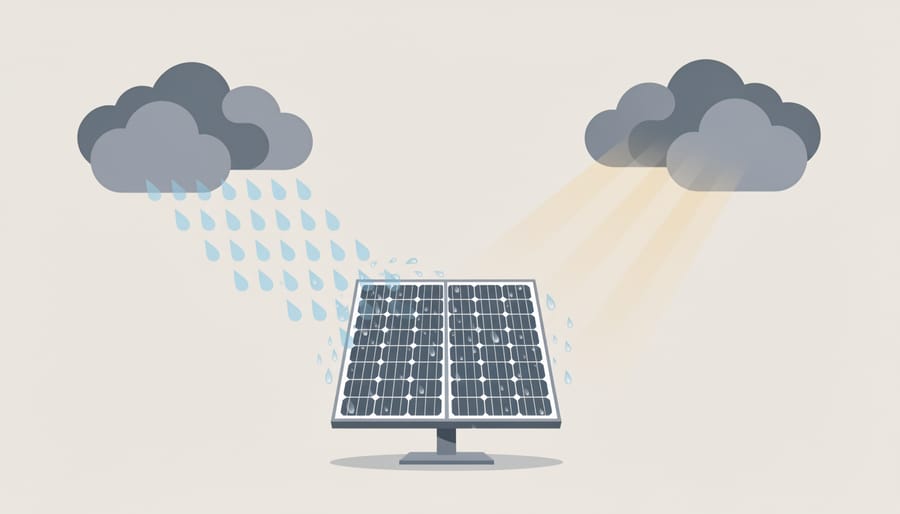
BLAVOR Solar Power Bank 10,000mAh Portable Wireless Charger: Pocket-Sized Backup Power

If you want a power bank that rides in a jacket pocket or the corner of a daypack, the BLAVOR Solar Power Bank 10,000mAh Portable Wireless Charger is built for you. It suits commuters, day hikers and anyone who wants an emergency charge on hand without carrying a brick.
The specs that matter: 10,000mAh of capacity, a 20W USB-C port, IPX5 waterproofing and two flashlights. IPX5 means it can handle water jets, so rain or a splash at the trailhead shouldn’t be a problem. The product name also tells you it can charge wirelessly, which is handy when you’d rather skip the cable.
Here’s the practical way to think about 10,000mAh. Most modern phone batteries fall somewhere in the 3,000 to 5,000mAh range, and some energy is lost in conversion, so expect roughly one to two full phone charges from a full bank. That’s plenty for a long day out or a late commute when your battery is gasping.
The built-in solar panel is where expectations need managing. A panel this small trickle-charges slowly, so treat it as an emergency top-up, something to leave on a backpack or windowsill to nudge the battery along. Charge the bank fully from a wall outlet before a trip, then let the sun add a little extra.
The crowd seems to agree it’s a smart pick. It holds a 4.2 out of 5 rating from 48,028 customer ratings, it’s in stock, and it sits at the top of Amazon’s cell phone solar charger best sellers. Pocket-sized, rain-ready and powered partly by free sunlight, it’s an easy first step into solar gadgets.
Solar Camping Lantern: Hanging Light for the Campsite and Power Outages

A solar camping lantern is one of the easiest ways to swap a throwaway-battery habit for free sunlight. This collapsible, USB-rechargeable hanging lantern earns a 4.5 out of 5 customer rating and is in stock. That rating suits a tool that does one job: it lights up a tent, a picnic table, or a dark living room when the power goes out.
The hanging design is what makes it practical. You clip it to a tent loop, a tree branch, or a hook in the hallway, and the light spreads down and around instead of pointing one way like a flashlight. Because it collapses flat, it takes up very little room in a pack or a blackout kit, so you can leave it in a drawer or a go-bag without it getting in the way.
Charging is simple. Set it out in direct sun during the day, ideally on a sunny spot at camp or a windowsill at home, and let the built-in solar panel do the work. Panels need real sunlight, so a shaded tent floor won’t cut it. The USB port is the backup plan. If a trip turns cloudy, you can top it up from a power bank, which is a good reason to pack one of the BLAVOR or Luvknit banks mentioned earlier.
I’d skip quoting brightness or runtime numbers here, since the listing data I verified doesn’t include them. What I can say is that you should test it at home before a trip. Charge it for a day, hang it up after dark, and see how it performs for your own setup.
The environmental payoff is easy to see. Every disposable-battery lantern you replace means fewer dead batteries headed for the trash. A lantern that refills from the sun keeps working season after season.
Brightown 108FT 52LED Solar String Lights Outdoor: Patio and Garden Ambiance
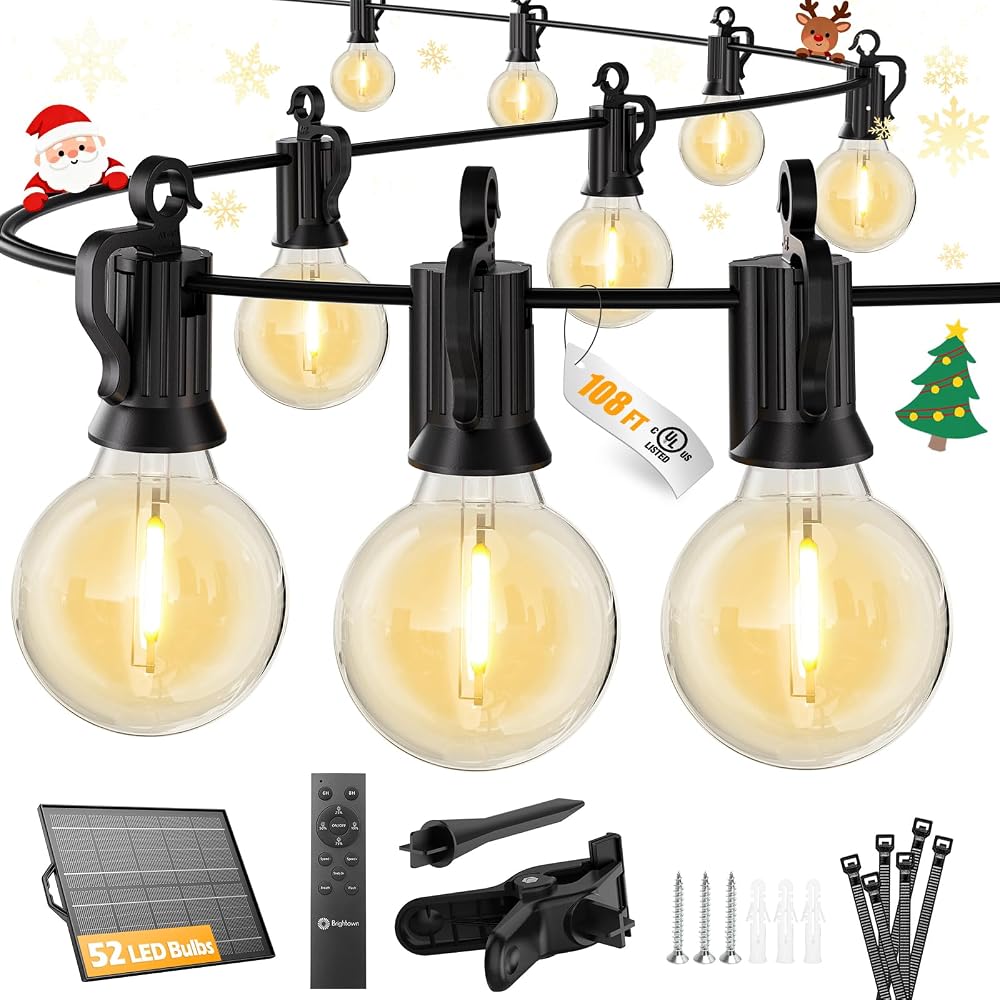
Solar string lights are the easiest way to turn a plain patio into a place you actually want to sit after dark, and the Brightown 108FT 52LED Solar String Lights Outdoor with Remote & USB Port is a popular pick. Customers have rated it 4.4 out of 5 across 10,585 ratings, and it’s currently in stock.
The headline feature is the length. That 108-foot run is long enough to wrap a pergola, trace a fence line, or loop through a garden bed without chaining several sets together. The listing also names a remote and a USB port, so you get some control over the lights and a backup way to top up the battery when the weather won’t cooperate.
Here’s what I’d plan before hanging a single hook:
– Pick the panel spot first. The solar panel is what feeds the lights, so it needs unobstructed sun for most of the day. Mount it on a south-facing wall, a roof edge, or a post in an open area.
– Watch for shade. Tree canopies and deep eaves can quietly starve a panel. A spot that’s sunny at noon may sit in shadow all afternoon, so check it at a few different times.
– Measure the run. With this much cable, map your route and count hanging points before you start. It’s far easier than rehanging a tangled strand later.
– Keep the panel clean. A quick wipe now and then keeps dust and pollen from cutting into what the panel collects.
Because the panel sits on a cable, you can place it in full sun while the lights themselves glow in a shadier corner. That flexibility is a real advantage of this design.
2K Security Camera System: Wire-Free Solar Home Monitoring

A wire-free solar camera solves the biggest headache of home monitoring: running power cables. This 4-pack of 2K Security Cameras pairs each camera with a solar panel, so you can mount them on a fence post, garage wall or rear corner of the house without drilling through siding to find an outlet. It’s rated 4.4 out of 5 from 1,525 customer ratings and is in stock.
The listing covers the features most people want from a modern system: 2K resolution, color night vision, AI detection, two-way audio and mobile alerts. It supports both 5GHz and 2.4GHz WiFi, which gives you flexibility when you’re matching the cameras to your router. For storage, it offers SD card or cloud options. I’d check the retailer’s listing for current details on any cloud plan before you commit, since I can’t confirm terms here.
Solar suits cameras well because mounting becomes a question of sightlines instead of wiring. Still, a few checks will save you frustration:
– Panel placement: The camera is only as dependable as the sun it gets. Put the panel where it catches direct light for much of the day, and watch for shade from trees, eaves and neighboring rooftops. Many panels can be angled separately from the camera, which helps.
– WiFi signal at the mounting spot: Stand where you plan to mount each camera and check your phone’s signal strength. A weak connection is the most common reason wireless cameras drop out. A 2.4GHz band usually reaches farther through walls, while 5GHz tends to be faster at shorter range.
– Storage choice: Local SD storage keeps footage on the device, while cloud storage lets you review clips remotely. Decide which fits how you want to access recordings.
If you want coverage across a front door, driveway, backyard and side gate without a wiring project, a four-camera kit is a sensible starting point.
GIGALUMI Cool Outdoor Solar Garden Path Lights: An 8-Pack for Walkways

If you want a lit walkway without trenching cable or hiring an electrician, solar path lights are about as low-effort as outdoor lighting gets. The GIGALUMI Cool Outdoor Solar Garden Path Lights come as a waterproof 8-pack, which is enough to line a front walk, trace a garden border, or mark the edge of a driveway. Each light has its own small panel, so there’s nothing to connect. You push a stake into the soil and you’re done.
The shoppers have given it a thumbs-up too: it’s rated 4.3 out of 5 from 1,399 customer ratings, and it’s in stock. That’s a solid showing for something you’ll leave outside in all weather.
Installation is where a little planning pays off. Lay the lights out on the ground before you stake any of them. Even spacing looks better and avoids dark gaps, and eight lights go further than you’d expect when they’re not bunched together. Then check the sun. Each panel needs open sky, so stay clear of the shadows cast by shrubs, eaves, and fences. A light tucked under a tree will glow noticeably less than one in the open.
Upkeep is simple. Wipe the panels with a damp cloth every few weeks, since dust, pollen, and water spots quietly cut how much sunlight gets through. Trim back any plants that grow over them.
Think about the seasons, too. Winter brings shorter days and a lower sun, so a spot that’s sunny in July may be shaded in December. If your lights seem dimmer in colder months, moving a few stakes to a brighter patch is often the whole fix. It’s a small, wire-free way to let sunlight do the work.
POWOXI 7.5W 12V Solar Battery Charger Trickle Maintainer Kit: Keeping Vehicle Batteries Healthy

A trickle maintainer solves a quiet problem. Even when a car, boat, RV or motorcycle sits unused, its battery slowly loses charge on its own (called self-discharge), and leave it long enough and it won’t start. The POWOXI 7.5W 12V Solar Battery Charger Trickle Maintainer Kit is built to offset that drain with a gentle, steady trickle of sunlight-powered current, so a parked battery stays topped up instead of fading.
The name tells you the key numbers. “12V” means it’s matched to standard 12-volt vehicle batteries, and “7.5W” is the panel’s rated output in ideal, direct sun. Think of it as a slow drip rather than a fire hose. This is a maintainer, not a rapid charger, so don’t expect it to revive a fully dead battery in an afternoon. Its job is to hold a healthy battery steady between drives.
That makes it a smart fit for anyone with seasonal or occasional-use vehicles: a convertible stored for winter, a boat that sits between weekends, an RV parked most of the year, or a motorcycle that only comes out in good weather. It’s also a nice small-scale environmental win, since free sunlight replaces a plugged-in charger running from the grid.
Placement matters more than anything else. Set the panel on a dashboard or against the windshield where it gets clear, direct sun for most of the day, and avoid spots shaded by trees or buildings. Keep the glass clean too, because a dusty or grimy panel passes less light through. It takes just a minute to wipe panels clean (here’s a handy guide to wipe panels clean the right way) and it keeps that modest 7.5W working as hard as it can.
The kit is currently in stock and holds a 4.4 out of 5 rating from 6,680 customer ratings, a solid sign of steady satisfaction.
Solar Charger Power Bank 49800mAh: High-Capacity Backup for Long Trips

If you’re the type who packs for a week in the backcountry, or you just want a safety net during storm season, this is the biggest battery in our lineup. The Solar Charger Power Bank 49800mAh packs 49,800mAh of stored energy, which is enough to refill a modern phone several times over before the bank itself runs dry. (A milliamp-hour, or mAh, is simply a measure of how much charge a battery holds.) It has two USB-A ports plus a USB-C port, so a couple of people can charge at once, with 15W fast charging for iPhone, Samsung and other phones. A dual flashlight rounds out the camping, travel and emergency pitch.
It’s currently in stock, holds a 4.1 out of 5 rating from 144 customer ratings, and sits in second place on Amazon’s cell phone solar charger best sellers, right behind the smaller BLAVOR model.
Now for the honest part. All that capacity comes with weight and bulk, so it’s less pocket-friendly than the 10,000mAh options. More importantly, the built-in solar panel is small compared with the battery it’s feeding. Refilling a bank this size from sunlight alone would take a very long time, so treat the panel as a last-resort trickle rather than a plan.
My advice: charge this one fully from a wall outlet or a separate solar panel before you leave, then let the stored power do the heavy lifting on the trip. The built-in panel is a bonus for a slow top-up on a sunny day, and it still beats having no backup at all. For long weekends away from outlets, or a blackout kit that needs to keep family phones alive, that tradeoff is easy to live with.
BLAVOR Solar Power Bank 20000mAh: Mid-Size Power for Phones and Apple Watch

The BLAVOR Solar Power Bank 20000mAh, which the listing describes as a wireless charger for phones and Apple Watch, is the middle rung of the ladder. It’s rated 4.3 out of 5 from 5,362 customer ratings, and it’s in stock.
Think of it as the compromise pick. The 10,000mAh BLAVOR model is the one you slip into a jacket pocket for a commute or a day hike. The 49,800mAh Luvknit bank sits at the other extreme, built for long trips where weight matters less than stored power. This 20,000mAh version doubles the smaller BLAVOR’s capacity while staying a far more manageable carry than the giant. If your outings run a weekend rather than a week, that balance is the appeal.
The Apple Watch mention in the listing is worth noting for anyone who wants one bank to top up a phone and a watch on the trail or while traveling. I’m leaving out port counts and wattage here, because the verified facts for this model don’t cover them. Check the retailer’s listing for those details before you buy.
The same rule applies to the built-in panel as with any power bank. Treat it as a slow emergency top-up, and fill the battery from a wall outlet or a larger panel before you head out. A bank this size will take a long time to refill on sunlight alone, so the stored charge does the real work.
Outdoor gear collects dust and grime, and so does anything that relies on sunlight. If you’re wondering do solar panels need maintenance, the short answer is a gentle wipe now and then. A rooftop array might call for a cleaning solar robot, but a pocket-sized panel just needs a soft cloth.
Which Solar Gadget Should You Buy? Recommendations by Use Case
Not every solar gadget fits every situation, so here is how the roster maps to real needs. Start with where you will use it, then pick the product built for that job.
| Your situation | Recommended gadget | Why it fits |
|---|---|---|
| Commuting or day hikes | BLAVOR 10,000mAh Solar Power Bank | Pocket-friendly capacity with 20W USB-C and IPX5 water resistance. |
| Long camping trips and emergencies | Solar Charger Power Bank 49800mAh or BLAVOR 20,000mAh | The 49,800mAh bank holds many phone charges; the 20,000mAh is the lighter middle ground. |
| Campsite lighting | Solar Camping Lantern | Collapsible and hangable, with USB charging as a cloudy-day backup. |
| Patio and garden lighting | Brightown 108FT String Lights or GIGALUMI Path Lights | String lights cover long runs; path lights line walkways with no wiring. |
| Home security | 2K Wire-Free Solar Security Camera System | No cable runs, so you can mount cameras where the sun is best. |
| Vehicle battery upkeep | POWOXI 7.5W 12V Trickle Maintainer | Keeps a parked car, boat, RV or motorcycle battery topped up. |
A few tips for reading the table. If you are torn between two power banks, think about what you will actually carry. Capacity you never use is just extra weight in your pack. For lighting, the right choice usually comes down to how much sun the spot gets, so check your yard in the middle of the day before you buy.
Planning a longer outing? Pair your power bank and lantern with a warm rinse at camp. Our guide to solar shower camping shows how to put the same sunshine to work.
There is also a different route worth knowing about. If you would rather have a foldable panel than a built-in one, panel chargers like the BigBlue 28W (dual USB-C and USB-A) and the GEYOTO 45W (PD 25W USB-C/USB-A with IP68 waterproofing) are popular best-sellers. You can angle a foldable panel toward the sun while the battery stays shaded, which often charges faster than a small built-in panel lying flat.
Common Mistakes to Avoid When Buying a Solar Powered Gadget
Most disappointing solar gadget purchases come down to a few avoidable mistakes. Here are the ones I see most often.
Trusting rated wattage as guaranteed output. A panel’s wattage, like the 28W on a BigBlue or the 45W on a GEYOTO, is a best-case number in direct, perfectly angled sun. Clouds, haze, shade and a lazy angle all pull real output well below it, so plan around less.
Expecting a built-in power bank panel to recharge quickly. A small panel on a power bank trickle-charges slowly. Treat it as an emergency top-up, and fill the bank from a wall outlet or a proper panel before a trip. That matters even more on a big bank like the 49,800mAh Luvknit.
Ignoring where the panel will actually sit. Walk the spot at different times of day. A string light panel tucked under an eave or a camera panel shaded by a tree will underperform no matter how good the spec sheet looks.
Overbuying capacity you will carry but never use. More mAh means more weight. If you mostly need one or two phone charges for a commute, a 10,000mAh pocket bank beats a heavy brick that stays at home.
Skipping waterproof ratings for outdoor use. If it will live in the rain, look for a real rating. IPX5 handles water jets and splashes, while IP68 is rated for dust-tight, submersion-level protection. A gadget with no rating is a gamble outside.
Neglecting simple upkeep. Dust, pollen and bird droppings quietly cut how much sun reaches the cells. Wipe panels with a soft, damp cloth now and then, and your gadget will keep making the most of every bright hour.
Solar Gadget Buying Questions, Answered
Can a solar power bank charge my phone from sunlight alone?
Technically yes, but slowly. The small built-in panel on most power banks trickles in energy, so treat sunlight as an emergency top-up and rely on the stored battery for real charging.
How long does it take to charge a solar power bank in the sun?
It depends on the panel size, the bank’s capacity and how direct the sun is, and it’s usually far slower than a wall charger. A very large bank, like a 49,800mAh model, can take many days of good sun to refill, so charge it fully before a trip.
Do solar lights and cameras work on cloudy days or in winter?
They still charge, just less efficiently, because rated output assumes direct sun. Shorter winter days and shade from trees or eaves cut runtime, so place the panel where it gets the most open sky.
What does IPX5 or IP68 mean?
These are waterproof ratings. IPX5 means the device resists water jets, so rain and splashes are fine, while IP68 means it’s dust-tight and can handle being submerged, which is the tougher standard.
Panel upkeep is simple. Wipe the surface with a damp, soft cloth now and then, since dust and pollen quietly steal output, and keep it angled toward the sun. And are solar chargers worth it for camping or emergencies? For most people, yes. A foldable panel or a power bank with a built-in panel gives you a backup source when there’s no outlet, and that peace of mind is hard to beat.
The Short Version: Matching the Gadget to Your Sunlight and Your Needs
Picking a solar powered gadget gets simple once you stop shopping by specs alone and start with a question: where will this thing actually live, and how much sun will it see?
Here’s how that plays out in practice. A commuter probably wants the pocket-friendly 10,000mAh bank, while someone heading into the backcountry for days might prefer the 49,800mAh monster and happily carry the extra weight. Campers and homeowners have their own matches: a collapsible lantern for the tent, string lights for the patio, path lights along the walkway, a wire-free camera system at the front door, or a trickle maintainer keeping a parked car or boat battery healthy.
Whatever you pick, remember that rated wattage is a best-case number in strong, direct light. Clouds, shade and the angle of the panel all change what you get, so a few minutes spent finding a sunny spot pays off more than any spec upgrade.
And here’s the part I love. Every small solar gadget you add quietly moves a bit of your daily energy use over to the sun. One phone charge, one lit-up evening, one battery you never have to throw away. It’s modest on its own, but those little shifts add up, and they run on a resource that shows up free every morning.
